

Our Top Picks
The best ice hockey pucks for most buyers are regulation 6 oz black pucks in a pack sized to how many shots you take: roughly 18 to 25 for one shooter, 50 for a team or busy driveway, 100 for a club. This guide compares nine listings, from a 12-count set to two 100-count cases. Most state 3 inch by 1 inch and 6 oz; we flag the ones that do not. Pack size and landing surface matter more than brand, so skim the quantity planner below, then match a listing to your setup, whether that is a rink bag or a driveway lane.
Nine puck sets at a glance

Hug Flight Hockey Pucks Bulk 50 Hockey Pucks per Case Official New


As an Amazon Associate we earn from qualifying purchases. Product prices and availability are accurate as of the date/time indicated.

Faswin 18 Pack Ice Hockey Pucks with 3 Reusable Mesh Bag, Official Regulation, Diameter 3", Thickness 1", 6oz, Black


As an Amazon Associate we earn from qualifying purchases. Product prices and availability are accurate as of the date/time indicated.

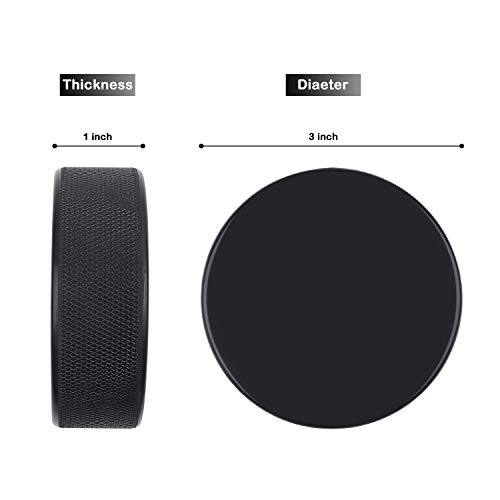
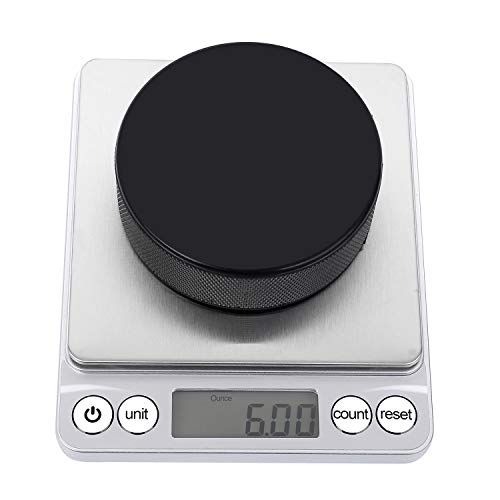
Golden Sport Ice Hockey Pucks, 100pcs, Black, High Grade Pucks | Official Regulation Weight & Size for Practicing, Classic Training & Roller Hockey, Diameter 3", Thickness 1", 6oz


As an Amazon Associate we earn from qualifying purchases. Product prices and availability are accurate as of the date/time indicated.

TronX Ice Hockey Pucks Bulk - Case of 100 Hockey Pucks - Official Regulation 6 oz. Standard Size and Weight for Game and Practice


As an Amazon Associate we earn from qualifying purchases. Product prices and availability are accurate as of the date/time indicated.

Hug Flight Hockey Pucks Bulk 25 Practice Pucks per Case Official New


As an Amazon Associate we earn from qualifying purchases. Product prices and availability are accurate as of the date/time indicated.

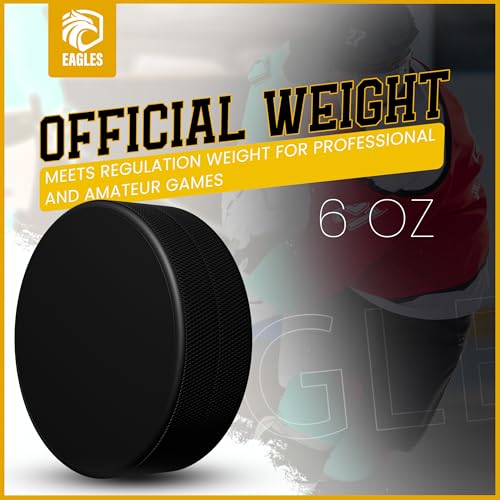
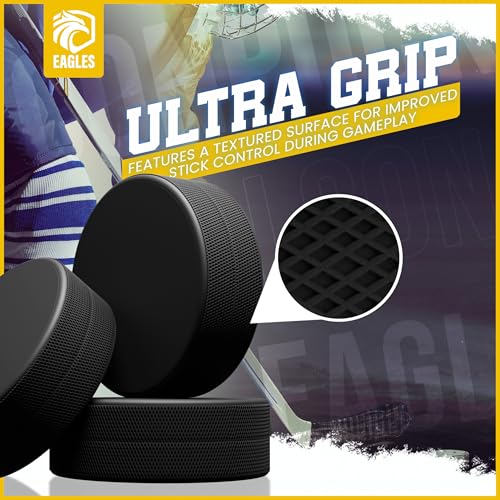
EAGLES Ice Hockey Pucks 1, 2, 3, 6 or 50 Pack | High Grade Pucks Official Regulation Weight & Size for Practice & Classic Training - 6 oz Diameter 3" Thickness 1" Black Hockey Puck Roller Hockey



As an Amazon Associate we earn from qualifying purchases. Product prices and availability are accurate as of the date/time indicated.

TransArcade Official Standard Ice Hockey Pucks, Black, 3 Inch Diameter, 6 oz, Regulation Size, 50 Pack


As an Amazon Associate we earn from qualifying purchases. Product prices and availability are accurate as of the date/time indicated.

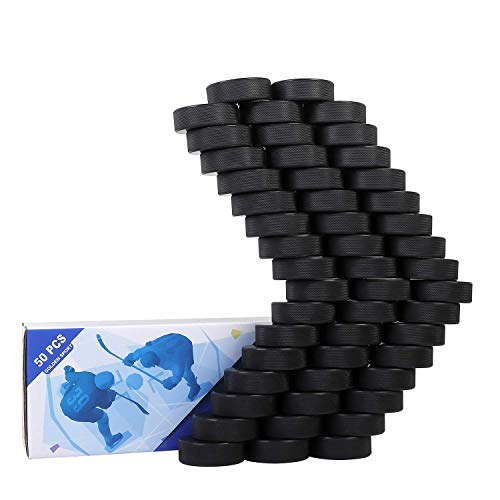
Golden Sport Ice Hockey Pucks, 50pcs, Black, High Grade Pucks | Official Regulation Weight & Size for Practicing, Classic Training & Roller Hockey, Diameter 3", Thickness 1", 6oz
As an Amazon Associate we earn from qualifying purchases. Product prices and availability are accurate as of the date/time indicated.
| Model | Key point from title | Price tier | Best for |
|---|---|---|---|
| Golden Sport 12 pcs | 12 black pucks, no size stated | Budget | Trying the sport |
| Hug Flight 50 per case | 50-puck case, “Official New” | Mid-range | Team practices |
| Faswin 18 pack | 18 pucks, 3 mesh bags, 3 in x 1 in, 6 oz | Budget | Solo shooters |
| Golden Sport 100 pcs | 100 pucks, regulation size, roller hockey | Premium | Clubs and programs |
| TronX case of 100 | 100 pucks, 6 oz, game and practice | Premium | Bulk game and practice use |
| Hug Flight 25 per case | 25 practice pucks per case | Budget | Small-group drills |
| EAGLES variable pack | 1/2/3/6/50 pack options, 6 oz, 3 in x 1 in | Budget | Flexible quantities |
| TransArcade 50 pack | 50 pucks, 3 in, 6 oz, regulation size | Mid-range | Garage and rink sessions |
| Golden Sport 50 pcs | 50 pucks, regulation size, roller hockey | Mid-range | Shooting practice at volume |
Each puck set in detail
Golden Sport 12-Pack High Grade Pucks
The smallest set here. The title lists twelve black pucks and nothing about weight or diameter, unlike the larger Golden Sport listings, so confirm 3 inch, 1 inch and 6 oz on the product page before treating it as regulation. Twelve is enough for a stickhandling bucket or a first order for a new player, but a shooter firing 50 shots will be fetching pucks constantly. As a rough planning figure, a player taking 60 shots a night would work through this set five times per session, which is why it suits drills more than volume shooting.
Pros
- Small, low-commitment quantity
- Fits in a stick bag
Cons
- Title omits size and weight
- Frequent refills when shooting
Who it’s for: Beginners and kids who may not stick with the game.
Hug Flight 50-Puck Case
A fifty-puck case from a brand that also sells a 25-count case. The title says “Official New” but gives no weight or diameter, and that wording is the seller’s own, so read the bullet points for the actual 6 oz and 3 inch figures. Fifty pucks lets one coach run a station drill without stopping to collect, and the case format suits a rink bag or garage shelf better than loose packs. If you coach, count heads first: at roughly five pucks per player in a station drill, fifty covers ten skaters at once, an estimate you can scale up or down.
Pros
- Enough volume for group drills
- Case packaging is easy to store
Cons
- Specs not in the title
- More than a solo player needs
Who it’s for: Coaches and small teams.
Faswin 18-Pack With Mesh Bags
This is the only listing with carry bags: three reusable mesh bags come with eighteen pucks, so you can split them into six-puck groups. The title states official regulation, 3 inch diameter, 1 inch thickness and 6 oz, which is the full spec in one place. Eighteen suits a single player who shoots in sets and collects after each one. Six-puck bundles are also a neat way to count at the end of a session: if a bag comes back light, you know exactly how many to hunt for in the snow.
Pros
- Full dimensions stated in the title
- Mesh bags for carrying and grouping
Cons
- Too few for team use
- Bag durability unknown; check the listing
Who it’s for: A single player building a home shooting routine.
Golden Sport 100-Pack Regulation Pucks
The largest Golden Sport listing and, going by the price signal, one of the two most expensive sets. The title gives 3 inch, 1 inch and 6 oz and mentions practice, classic training and roller hockey. A hundred pucks serves a whole club session or a season of shooting-lane work. For one player it is more than you will keep track of, and some will inevitably disappear. A season of weekly shooting-lane work, say 40 sessions, would let you rotate pucks and retire scuffed ones without running short, which is the real value of this quantity.
Pros
- Complete size and weight stated
- Likely the lowest cost per puck at this quantity
Cons
- Large upfront spend
- Needs storage space and a bucket
Who it’s for: Clubs, schools and shooting-lane operators.
TronX Case of 100 Hockey Pucks
A hundred-puck case pitched at both games and practice. The title says official regulation 6 oz standard size and weight, though it gives no diameter or thickness, so check the page if that matters. It sits at the same quantity tier as the Golden Sport 100, which makes the choice mostly about which seller’s listing details and return terms you trust. Because the two 100-count cases are likely to be priced closely, compare return terms, shipping condition notes and recent buyer comments rather than chasing a small price gap.
Pros
- Positioned for game and practice
- Bulk quantity covers a season
Cons
- No diameter or thickness in the title
- Same big outlay as other 100-counts
Who it’s for: Programs wanting one supplier for both drills and scrimmages.
Hug Flight 25-Puck Practice Case
The middle step between a dozen and fifty. The title says “Practice Pucks” and “Official New,” again without numbers for weight or size. Twenty-five pucks gives two players a decent shooting pool and lets a parent run a station without a bucket-sized purchase. Treat “practice” as a hint that it is meant for drills rather than games, and confirm the actual spec in the bullets. If your budget is tight, this is a reasonable halfway point, since you can add a second case later rather than overbuying now and finding half the pucks missing.
Pros
- Sensible quantity for two or three shooters
- Cheaper than the 50-count case
Cons
- Specs unstated in the title
- “Practice” may mean not game-grade
Who it’s for: Families and small training groups.
EAGLES Ice Hockey Pucks (1, 2, 3, 6 or 50 Pack)
A single listing with several pack sizes, from one puck up to fifty. The title gives 6 oz, 3 inch diameter and 1 inch thickness and mentions roller hockey. The catch is that the headline price almost certainly belongs to the smallest option, so select your pack size and look at the price again. It is handy if you only need a few spares for a team bag. Because the title lists so many counts, buyer comments may refer to different pack sizes, so read reviews with that in mind and check the exact count on your order page.
Pros
- Pack size is your choice
- Specs stated in the title
Cons
- Displayed price may not match your size
- Long title; double-check the selected variant
Who it’s for: Buyers who want just a few pucks or an exact count.
TransArcade Official Standard 50-Pack
A fifty-count set with diameter (3 inch), weight (6 oz) and regulation size all in the title. It competes directly with the two Hug Flight cases and the Golden Sport 50. The brand is less established in hockey, so there is less shared buyer history to lean on; read recent buyer reviews for notes on finish and consistency before committing. A practical value check is the per-puck maths: divide the listed price by fifty and compare that figure with the Golden Sport and Hug Flight 50s before you buy.
Pros
- Dimensions listed in the title
- Fifty is a practical middle quantity
Cons
- Little hockey-specific track record
- Overlaps several similar 50-counts
Who it’s for: Buyers who want clear specs at the 50 level.
Golden Sport 50-Pack Regulation Pucks
The 50-count step in the Golden Sport range, with the same 3 inch, 1 inch, 6 oz wording as the 100-pack. Choosing it over the 100 makes sense when storage or budget is the limit. It sits alongside the Hug Flight and TransArcade 50s, so the real difference is how the seller words the listing rather than anything stated in the titles. Stepping up from this to the 100-pack only makes sense if more than one coach or player will share the bucket regularly; otherwise the extra fifty tend to sit in the garage.
Pros
- Full spec wording in the title
- Half the outlay of the 100
Cons
- Near-identical to other 50-counts
- Won’t cover a full club session
Who it’s for: Home rinks and small teams.
How we picked these
We compared product titles, listed specifications and general buyer feedback themes, then grouped listings by pack size and how clearly the title states weight and dimensions. Brand claims such as “Official” or “High Grade” are the sellers’ wording, not a rating we can confirm. Nobody on the team used or measured these units. Our basis is published specifications, manufacturer documentation and buyer reviews. Where a title is silent, we say so and point you to the listing. Price tiers are relative within this set only.
Matching a puck order to how you shoot
Regulation size and weight
The common standard for adult pucks is 3 inches across, 1 inch thick and about 6 oz. Several titles repeat these numbers; others only say “official.” If your league or rink has a rule on puck weight, confirm it on the listing and with the organizer.
A quantity planner
Here is an estimate with stated assumptions: a player takes 100 shots per session, shoots in sets, and walks to collect once per set. With 12 pucks that is about 8 collection trips; with 25 it is 4; with 50, 2; with 100, one. If each trip costs a minute, the 12-count adds roughly 8 minutes against 1 for the 100. Multiply by how often you practice before deciding whether the larger case earns its price.
Surface and wear
Ice pucks are built for ice. Several titles mention roller hockey, but rough concrete or asphalt scuffs edges fast in general, so expect a shorter life and budget for replacements. A smooth sport court or a shooting pad is gentler than a driveway, and a synthetic shooting surface protects both the puck and your stick blade. If you only shoot outdoors a few weeks a year, wear is a minor concern; if you practice year-round on pavement, favor the larger counts so you can rotate out chipped pucks.
Bulk versus small sets
Bulk cases lower the cost per puck, but only if you will use and store them. Pucks vanish into snowbanks, storm drains and neighbors’ yards. A reusable bag or bucket matters more than another 20 pucks. Also think about weight: 100 pucks at 6 oz each is about 37.5 lb before any container, which is a lot to carry from the car to the ice (simple arithmetic: 100 x 6 oz = 600 oz).
Safety
Pucks are hard rubber and can injure at shooting speed. Use a rebounder, net or backstop, keep people and windows out of the line of fire, and wear eye protection and shin guards when practicing with others. For younger players, see our guide to sports training equipment for kids.
Puck-buying mistakes worth avoiding
- Buying a 100-pack for one player. You will lose track of them and pay for storage you do not need, since a hundred pucks weigh about 37 lb loose.
- Trusting “official” in a title. It is not a certification. Look for the 6 oz and 3 by 1 inch numbers.
- Ignoring the selected variant. On the EAGLES listing, the displayed price may belong to the one-puck option.
- Using ice pucks on pavement and expecting ice-rink life. Edges wear quickly on rough surfaces, so plan on replacing a few each season.
- Forgetting a net or backstop. A rebounder-style setup like the ones in our solo practice rebounder guide shows how much faster practice goes when pucks come back.
Our recommendation
For a single player, the Faswin 18-pack is the tidiest pick: stated dimensions plus carry bags. For a family or small group, a 25- or 50-count set from Hug Flight, TransArcade or Golden Sport covers the middle ground, so choose on listing clarity and stated specs rather than brand name. For clubs, the Golden Sport 100 or TronX 100 is the bulk route. If you only need a few spares, use the EAGLES variable-pack listing and check the selected size before ordering.
Questions buyers ask
How many hockey pucks do I need for practice?
For one player, 18 to 25 is a comfortable range because it limits how often you walk to collect them. A small group fits 50. A club or school team benefits from 100. These are planning estimates; adjust for how many shots you take, how far you must walk to collect, and how much storage you have.
Are practice pucks the same as game pucks?
Not always. Many sellers describe pucks as practice or regulation interchangeably. If the title lists 3 inch diameter, 1 inch thickness and 6 oz, it matches the common size and weight. If it says only “practice,” check the listing, and ask your league if game-use rules apply, since rules vary.
Can I use ice hockey pucks for roller hockey?
Several listings here mention roller hockey in the title, but pavement is rougher than ice and will wear edges faster in general. Roller hockey players often use a different puck or ball, so confirm what your league expects before buying. If you play on pavement, treat these pucks as a consumable and expect to replace some.
Is a bulk case cheaper than small packs?
Usually the cost per puck falls as the pack grows, but only if you actually use them all. Compare the price tier in the table against how many you will realistically keep track of. A 100-count case is poor value if half end up lost, while a modest 25 or 50 you keep track of is the better deal for most households.
How do I keep from losing pucks?
Use a mesh bag or bucket, shoot toward a net or backstop, and count pucks at the end of each session. Brightly colored tape on a few can help you spot strays in grass or snow, though black is the standard color for these listings. A fixed storage spot by the garage door also reduces losses between sessions.
Puck Types: Black, Blue, Weighted, Orange and Roller
Most listings above are standard black rubber pucks, but the category is wider than that. Sellers use colors and names loosely, so match the type to the job and read the weight in the description instead of relying on the color alone.
| Type | Typical purpose | Weight and size notes | Watch for |
|---|---|---|---|
| Black regulation | Games, team practice and general shooting | Adult standard is about 6 oz, 3 inches across, 1 inch thick | The word “official” in a title is not a certification |
| Blue (lighter) | Younger players, skill-building and stickhandling | Often sold as a lighter puck, sometimes around 4 oz; confirm on the listing | Some blue pucks are only a color change at full weight |
| Weighted | Wrist and forearm strength, shot-power training | Usually noticeably heavier than regulation, often by a large margin | Heavier pucks change shot mechanics, so use them in short sessions |
| Orange or bright colors | Visibility on snow, grass or a busy driveway | Check whether they are rubber or plastic | Bright pucks still need a safe lane and backstop |
| Roller or low-friction plastic | Street hockey, asphalt and sport court | Often lighter and made of plastic or composite | Not designed for use on ice |
| Mini pucks | Stickhandling in small spaces, youth drills | Smaller than 3 inches across | Not for game use |
Several of the sets in this roundup mention roller hockey in their titles. That language suggests the seller sees the product as useful off the ice, but it does not turn an ice puck into a roller puck. If you mostly play on pavement, a purpose-made roller puck is likely to glide and last better than a standard rubber one.
Choosing a Puck for Ice, Driveway or Synthetic Surfaces
The surface decides how a puck behaves and how fast it wears. Rubber hockey pucks are designed to slide on ice, and they respond differently on other materials. This table is a practical starting point, not a rulebook.
| Surface | Puck behavior | Wear expectations | Best choice |
|---|---|---|---|
| Ice | Slides freely, which suits regulation pucks | Slow wear, mainly from boards and sticks | Standard black rubber pucks |
| Rough concrete or asphalt | High friction, so pucks drag and can chip at the edges | Fast wear; expect to retire pucks regularly | Cheaper bulk sets or roller pucks |
| Smooth sport court or shooting pad | Moderate friction, more consistent travel | Gentler than pavement | Regulation pucks, rotated often |
| Synthetic ice tiles | Reduced friction, closer to ice feel | Pucks last longer than on pavement, but the tiles themselves wear | Standard rubber pucks |
| Snow or grass | Heavy drag, easy to lose pucks | Low wear but high loss | Bright colors and a counting routine |
If your practice area is a driveway, give yourself a small budget for replacements. Rubber that drags across a rough surface shows chips and flat spots sooner, and a worn puck bounces unpredictably. A mixed approach also works: keep a small set of good pucks for ice time and a larger cheaper set for outdoor sessions.
Cold, Warmth and How a Puck Behaves
Temperature changes how rubber feels in your stick. A puck at room temperature is livelier, bouncing and rolling more, while a cold puck is stiffer and slides flatter. That is why teams commonly store game pucks in a freezer before use, a general practice in hockey rather than something specific to any one product.
- For stickhandling and passing practice, a room-temperature puck makes drills harder because it bounces off the blade.
- For shooting practice on ice, chilled pucks behave closer to game conditions.
- Pucks left in a hot car can soften or lose their shape, so keep them out of direct sun and enclosed vehicles.
- If you shoot outdoors in winter, pucks will cool naturally, and snow cover can make them hard to find.
None of this requires special equipment. A bucket in a cool garage or a bag in the trunk during winter is enough for most home setups.
Cleaning, Storage and When to Retire a Puck
Pucks are simple, but a little care extends their life and keeps practice consistent.
- Wipe off grit. Sand, salt and dirt from a driveway grind into the surface and scratch the next surface it touches.
- Dry them before storing. Damp pucks in a closed bag can develop a musty smell and grow mildew.
- Use a bucket, bag or mesh sack. A single container makes counting easy and keeps pucks from rolling under cars or furniture.
- Keep them away from heat sources. Direct sun or a hot garage in summer can distort rubber over time.
- Rotate the set. Using the same few pucks over and over wears them unevenly.
| Condition | What it means | Action |
|---|---|---|
| Light surface scuffs | Normal use | Keep using |
| Chipped or rounded edges | Uneven travel and bounce | Move to casual drills only |
| Cracks or crumbling rubber | Material is failing; pieces can break off | Retire it |
| Warped or flat spots | Heat or heavy wear has changed the shape | Retire it |
A cracked puck can split under a hard shot, so remove it from the set before it causes trouble.
Pucks per Drill Station
The quantity planner above counts total shots. A different way to size an order is to think about how many pucks each drill station needs so nobody waits. These are planning estimates you can adjust to your own routine.
| Drill style | Pucks needed at a station | Why |
|---|---|---|
| Stickhandling in a small area | 1 per player | Players keep the same puck throughout |
| Passing with a partner | 1 per pair | The puck travels back and forth |
| Net-front shooting | 5 to 10 per shooter | Short bursts before a collection break |
| Rapid-fire shooting lane | 10 to 20 per shooter | Keeps the rhythm going without constant walking |
| Full-team rotating stations | 2 to 3 stations, each with its own supply | Players rotate without waiting on collection |
Add a small buffer on top of the number you calculate, since a few pucks will always end up behind the net, under a bench or in the snow. For a single player, that buffer is about two or three pucks; for a team, plan on a handful more per session.
Keeping Track of Pucks
Lost pucks quietly erode a quantity you paid for. A few small habits make a big difference over a season.
- Count the set before and after every session, and stop when the numbers match.
- Use mesh bags or a labeled bucket so every puck has a home.
- Mark a few pucks with paint or a bright tape wrap to make them easier to spot on dark pavement or snow.
- Set up a backstop or net on the far side of the shooting lane so pucks stop in one area.
- Check gutters, drains and the edges of the lane at the end of the day, since pucks often slide to the same corners.
With a backstop and a counting habit, even a modest set of 18 or 25 pucks goes a long way.
Setting Up a Safer Shooting Lane
The earlier safety notes cover protective gear. A few setup choices also reduce risk when you are shooting at home or at a rink with a group.
- Clear the zone behind the target. Windows, parked cars, neighbors and walkways should not be in line with a missed shot.
- Use a backstop that absorbs impact. Netting or a solid shooting tarp stops most misses, while a thin fence may not.
- Shoot in one direction. Everyone at the same end, facing the same way, avoids crossfire.
- Pause collection. Nobody walks into the lane until all shooters have stopped and sticks are down.
- Supervise younger players. A lighter puck can reduce impact force, but it still stings at speed.
These steps cost little, and they protect both people and property.
Younger Players and Lighter Pucks
Youth programs sometimes specify lighter pucks for the youngest age groups, so check with your league before buying a regulation set for a child. A lighter puck is easier to lift and control, which helps beginners build technique without struggling against the weight. Once a player moves up, switching to regulation weight lets the muscles and timing adjust.
For a child who practices at home, a small set of lighter pucks plus a few regulation ones for later is a sensible mix. Avoid overbuying a bulk case for someone who may outgrow the sport quickly, and remember that younger players need extra supervision around shooting lanes.
A Short Puck-Buying Checklist
- Decide the surface first: ice, pavement, court or synthetic tiles.
- Pick the type: regulation, lighter, weighted or roller.
- Read the listing for weight and diameter rather than relying on color or the word official.
- Choose a quantity based on shots per session and drill stations.
- Plan storage and a counting method before the box arrives.
- Budget for replacements if you play on rough surfaces.
Following this order keeps the decision simple and prevents the most common mismatch, which is buying a large ice-rated set for a surface that wears pucks quickly.
How to Read a Puck Listing Before You Order
Puck listings are written quickly and often reuse the same handful of phrases, so the title alone rarely tells you what arrives in the box. A reliable habit is to read the title, the bullet points and the specification block as three separate sources and note where they disagree. If the title says “regulation” but the specification block lists no weight or diameter, the claim is the seller’s wording and nothing more. If the bullets give numbers that match the common adult standard of about 6 oz, 3 inches across and 1 inch thick, you have something concrete to compare against other listings.
Pack size deserves the same scrutiny. Some listings let you switch between a single puck and a large case from a drop-down, and the headline figures on the page can belong to whichever option loaded first. Before adding anything to your cart, confirm that the selected variant, the count in the title and the count in the cart all agree. The table below decodes phrases that appear often, along with what is worth confirming.
| Phrase in a listing | What it usually signals | What to confirm |
|---|---|---|
| Official or regulation | The seller believes the puck matches the common adult size | Weight and diameter stated as numbers, not just the word |
| Practice or training | Intended for repeated shooting, possibly not for league games | Whether your league restricts game pucks |
| Bulk, case or value pack | Large count, lower cost per puck in most cases | Exact count and whether bags or a bucket are included |
| Roller or street | May be aimed at pavement play | Material, since some are plastic and some are rubber |
| Cold-resistant or all-weather | A marketing claim about outdoor use | Any stated temperature range in the specification block |
Buyer reviews are the third source. Reading them for patterns is more useful than reading them for verdicts. Look for repeated mentions of cracking, uneven size, paint or logo wear, or packaging that arrived damaged, and treat a single dramatic comment with caution. Several buyers describing the same issue in similar words is a signal worth taking seriously.
Indoor Practice: Garages, Basements and Hallways
Many home shooters never touch real ice, so the question is often how to practice indoors without damaging the house. A standard rubber puck is dense and hard, and it will mark drywall, scuff paint and chip tile if it strikes at shooting speed. Indoor space therefore calls for a different approach to both the equipment and the setup, even when the player is only stickhandling.
Foam and soft pucks
Soft or foam pucks are sold for exactly this situation. They are lighter than rubber, they travel more slowly and they leave far fewer marks on walls and floors, which makes them sensible for stickhandling in a living area or a basement. They do not feel like a game puck, so think of them as a tool for hand skills rather than a replacement for shooting practice. Check the listing for material and weight, because the category is broad and sellers use the word “training” loosely.
Protecting walls, floors and equipment
If you do shoot a rubber puck indoors, give it somewhere safe to stop. A heavy tarp, a purpose-built shooting target or a dense rebounder placed against a masonry wall absorbs more energy than bare drywall. A smooth floor pad or a shooting tile under the shooting spot keeps the puck sliding and protects the floor from grit trapped beneath it. Keep shots low, keep breakable items out of reach, and make sure there is a clear path for the follow-through of the stick.
Hauling and Carrying: What a Full Case Weighs
Pack size is usually discussed in terms of price, but weight is just as practical. Using the common figure of about 6 oz per puck as a planning assumption, the totals below are simple multiplication. Check your own listing, since a lighter or heavier puck changes every row, and remember the container adds weight on top.
| Pack size | Approximate puck weight | Realistic way to carry it |
|---|---|---|
| 12 pucks | 72 oz, or about 4.5 lb | One mesh bag in a hand |
| 25 pucks | 150 oz, or about 9.4 lb | A bag or small bucket |
| 50 pucks | 300 oz, or about 18.8 lb | A sturdy bucket with a handle |
| 100 pucks | 600 oz, or about 37.5 lb | Two containers, or a wheeled cart |
The right-hand column matters more than it looks. A case that takes two trips from the car to the ice discourages casual sessions, and the best practice set is the one you will actually bring along.
Cost per Puck: Doing the Pack Math
The simplest way to compare packs is to divide the listed price by the number of pucks. That single figure puts a 12-pack and a 100-pack on equal footing, and it takes seconds with a phone calculator. The result alone is not the whole story, though, because a lower cost per puck only helps if you keep the pucks. Suppose a case holds four times as many pucks as a smaller pack for less than four times the money. The case wins on paper, but if you lose a quarter of the pucks in a season, the effective cost per puck you still own rises accordingly.
A better question is how many pucks you expect to still have after a full season. For a single player with a net and a counting habit, losses are small and a mid-size pack is rarely a mistake. For a group practicing in an open field or beside a river, losses can be large enough that a cheaper, larger set is the only economical choice.
Drills That Make Good Use of a Puck Set
A puck set is only worth what you do with it. The three skill areas below cover most of what a player can reasonably train at home, and each one has different needs from the set itself.
Stickhandling
Stickhandling needs very few pucks. One puck on a smooth surface is enough, and a lighter or softer puck is often better for building hand speed, since heavier regulation pucks can slow the movement.
Wrist shots and snap shots
Shooting is where quantity matters, because each repetition requires a puck at your feet. A comfortable routine is to shoot a set, walk to collect, and repeat. Aim at specific targets in the net rather than the net as a whole, and track how many land where you intended. The aim is to keep the rhythm going without pauses, which is why larger counts feel better for shooting than for any other drill.
Passing and receiving
Passing practice needs a partner or a rebounder, and one or two pucks. Because the puck travels back and forth, the main wear is on the edges where it meets the stick blade.
| Part of a session | Suggested focus | Pucks needed |
|---|---|---|
| Warm-up | Easy stickhandling and light passing | 1 per player |
| Skill block | Receiving and quick release | 1 to 5 per player |
| Shooting block | Targeted wrist and snap shots | 10 to 25 per player |
| Cool-down | Slow control and collection | Whole set counted |
Buying for a Team, School or Rink Program
Organizers face different problems from individual buyers. The first is inventory: with many hands touching the same set, pucks go missing faster than anyone notices. Assign one person to count the set at the start and end of each session, and keep a written total. The second is wear, because shared pucks see many more shots than a personal set and show chips sooner. Plan to retire a handful each season and keep a small reserve so a session is never cut short.
A practical approach is to split the order into two groups. Keep a smaller set of good pucks, marked with tape or paint, for skill work where bounce and edges matter. Keep a larger, cheaper set for high-volume shooting where a chip does little harm. Store each group in its own labeled bucket so the better pucks do not get mixed into rough surface use. Finally, check your league or facility rules before ordering a large quantity, since some require specific pucks for games and many rinks have their own policies on what players may bring.
Related guides
- Adjustable Basketball Hoops For Driveways
- Weighted Jump Ropes For Conditioning
- Soccer Rebounders For Solo Practice



Write Your Review
No reviews yet. Be the first to share your experience!