

Key takeaways
- Learn how to break in a baseball glove fast with safe steps: light conditioner, mallet work, catch, and wrap-up. Plus the shortcuts that can ruin leather.
The safest way to break in a baseball glove quickly is to combine a thin coat of glove conditioner, repeated pocket work with a mallet or ball, and plenty of easy catches over several days. Anything that promises a finished glove in one afternoon, such as microwaving or soaking, risks drying out the leather. Real speed comes from steady flexing and shaping, not shortcuts. This guide lays out the steps, the mistakes to avoid, and how to tell when the glove is ready.
What “Fast” Realistically Means
Break-in speed depends mostly on the glove itself. Entry-level and youth gloves are often made with thinner or pre-treated leather and may feel usable in a handful of sessions. Mid-range gloves usually need a week or two of consistent work. Premium full-grain steerhide gloves are stiff by design and often take several weeks, sometimes longer, before they close easily and hold a pocket on their own.
So the goal is not one night but a compressed schedule: daily sessions of ten to twenty minutes can shave days off a process that would otherwise take a season of casual play. If a store or video promises a glove is “game ready” overnight, treat that with caution and follow the maker’s care guidance.
What You Need
- Glove conditioner meant for baseball gloves. Check the glove’s care label first, because some makers recommend specific products or advise against certain oils.
- A clean cloth to apply product thinly and wipe off extra.
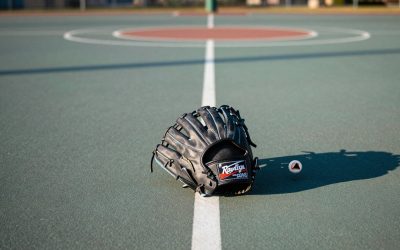
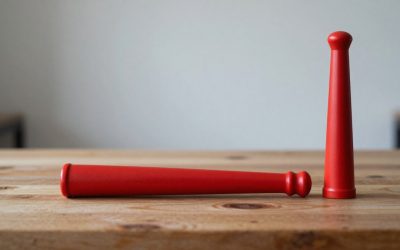
- A glove mallet or a hard baseball to build the pocket. A smooth wooden mallet is common, but a ball and your fist also work.
- A ball to hold shape, plus a rubber band, wrap or glove strap.
- A partner for catch. Nothing shapes a pocket like real use.
Avoid kitchen oils, petroleum products and strong chemicals. Some can soften leather too much, attract dirt or damage laces.
Step-by-Step Fast Break-In Plan
- Wipe the glove clean. Remove dust or factory residue with a dry or slightly damp cloth, then let it dry at room temperature.
- Apply a thin coat of conditioner. Work a small amount into the pocket, the inside of the thumb and pinky, and the finger hinges. Leave the laces mostly untouched.
- Flex by hand. Open and close the glove repeatedly for several minutes, bending it at the fingers and where the thumb meets the palm.
- Work the pocket. Pound the pocket with a mallet, or slam a baseball into it dozens of times. Move the strikes across the pocket so it forms a natural cup instead of a single dent.
- Shape and wrap. Place a ball in the pocket, close the glove around it, bind it with a band or wrap and leave it overnight. Do this away from heat.
- Play catch. Use easy tosses at first, then increase speed over several sessions.
- Repeat. Do steps 3 to 6 each day. Re-apply conditioner only if the leather looks dry, not on a fixed schedule.
Shortcuts That Cause Damage
Several popular tips are risky. Glove manufacturers generally advise against them, and leather experts commonly agree.
- Microwaving or oven-baking. Heat can dry out leather, shrink parts of the glove and damage glue or stitching.
- Soaking in water. Wet leather stretches, then dries stiff and can crack. It can also leave the glove heavy and misshapen.
- Heavy oiling. Soaking a glove in oil makes it soft but floppy, with a weak pocket and laces that may rot sooner.
- Leaving it in a hot car or on a heater. Strong heat dries and warps the glove.
- Sitting or stepping on it. Crushing force creates creases in the wrong places.
If a method would not be recommended for a leather jacket or boots, it is probably not good for a glove either.
Worked Example: A Seven-Day Schedule
Assume an adult buying a mid-range outfield glove with stiff but not extreme leather, and a week before the first game. Here is one possible plan, with times that are estimates, not guarantees.
| Day | Task | Approximate time |
|---|---|---|
| 1 | Clean, thin conditioner coat, flexing, mallet work, wrap overnight | 25 minutes |
| 2 | Flexing, mallet work, easy catch, wrap overnight | 25 minutes |
| 3 | Catch with a partner at moderate speed, check pocket | 20 minutes |
| 4 | Fly balls or soft grounders, wrap overnight | 25 minutes |
| 5 | Catch at game speed, inspect for dry spots | 20 minutes |
| 6 | Light conditioner only if dry, then rest day | 10 minutes |
| 7 | Short warm-up, final check | 15 minutes |
By the end of the week this glove should close without pushing hard and hold a ball in the pocket. A very stiff premium glove may still need more time, and that is normal.
How to Tell When the Glove Is Ready
- It closes almost fully with a modest squeeze of the fingers.
- It stays partly open when set down, rather than snapping flat or staying rigid.
- The pocket catches a thrown ball without it popping out.
- The hand opening fits snugly, and no spots rub.
- The laces are firm with no loose or frayed ends.
If the glove feels stiff on fast throws or stings your hand, it needs more time. If it feels floppy, over-oiled or shapeless, stop conditioning and let it rest.
Adjusting the Plan by Leather and Position
Not every glove needs the same treatment. Synthetic and treated-leather gloves often need only flexing and catch, and extra oil adds little. Kip leather is lighter and usually softens sooner than heavy steerhide. Full-grain steerhide rewards patience, and hurrying it tends to produce a floppy pocket.
Position changes the focus too. Infielders want a shallow pocket near the heel of the glove so the ball can be transferred quickly, so pound the pocket closer to the palm. Outfielders want a deeper pocket in the center and benefit from fly-ball catches. First basemen and catchers work with stiffer, heavily padded mitts and often spend extra time folding them around a ball. Whatever the style, finish by playing catch at the speeds you expect in games, since real use is what teaches the leather to behave.
Mistakes to Avoid and When to Get Help
The most common errors are using too much product, forcing the glove shut with excessive tape or rope and skipping real catches. Another is expecting a stiff, high-end glove to behave like a youth model. Check the lacing during break-in, because laces can loosen as leather stretches.
If you see cracked leather, torn stitching or laces that keep coming undone, a glove repair shop can often help. For a valuable or hard-to-replace glove, ask a professional before attempting anything beyond basic conditioning. Keep the glove stored with a ball in the pocket when you are not using it.
Related guides
- Adjustable Basketball Hoops For Driveways
- Weighted Jump Ropes For Conditioning
- Soccer Rebounders For Solo Practice
Frequently Asked Questions
How long does it take to break in a baseball glove?
It depends on the leather and how often the glove is used. Soft youth and entry gloves can feel playable within a few sessions, while stiff, full-grain premium gloves may need several weeks of regular work. Rushing with heat or heavy oil usually backfires. A realistic plan is daily short sessions of flexing, pocket work and catch, then a final check that the glove opens and closes without effort.
Is it safe to microwave or oven-bake a glove to speed things up?
No. Glove makers generally advise against it, and heat can dry, shrink or crack leather and weaken the stitching and adhesives inside. The same goes for hot cars or soaking the glove in water. These shortcuts may feel softer at first but often leave a glove that loses shape quickly. Stick with light conditioning, mallet work and real catches instead.
How much glove oil or conditioner should be used?
Less than most people expect. A thin, even coat applied to a cloth and rubbed into the pocket, palm and finger stalls is usually enough, and many makers recommend using only products intended for baseball gloves. Too much oil makes leather heavy, floppy and slow, and can rot laces over time. Wait until the glove has absorbed the first coat before considering another.
Should the glove be broken in with a ball tucked into the pocket?
Yes, shaping the pocket around a ball is a standard step. Place a ball where it normally lands, fold the glove around it and bind it with a band or wrap, then leave it overnight or longer. This trains the leather to hold a pocket without forcing it. Keep the wrap snug but not crushing, and take it off if the leather bends in odd places.
Can a new glove be used in games before it is fully broken in?
Often yes, but only if it opens and closes smoothly and the pocket holds a ball without popping out. A glove that is still stiff can cause missed catches and sting the hand. Play catch at easy speeds first, then move to hard-hit balls once the glove responds. Younger players with soft leather gloves usually reach game readiness sooner than adults with premium models.




Write Your Review
No reviews yet. Be the first to share your experience!