

Key takeaways
- Leather quality: Entry leather is thinner and often treated for softness. It can lose its pocket shape sooner than the steerhide or kip leather used in premium gloves.
- Lining and padding: Palm padding and finger linings are simpler, so hard throws may sting more.
- Lacing: Laces can stretch or break earlier. Replacing them is usually inexpensive.
- Resale: A budget glove holds little resale value compared with a premium model.
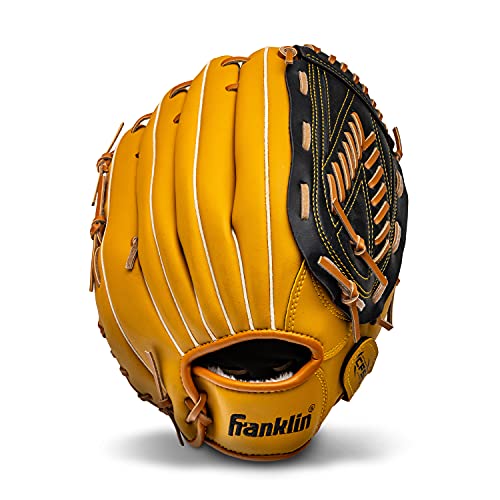
For an adult or teen on a budget, the Rawlings Player Preferred is the glove most 2026 roundups name first, a Mizuno MVP Prime is the sensible step up for someone who wants better leather without paying premium money, and younger players are usually steered to a Wilson A500 or a Mizuno Prospect sized for their age. The best budget glove is not the cheapest one; it is the one that closes easily, fits your hand and holds its shape for a full season. This guide explains where to save, where not to, and which models reviewers keep recommending.
Our top picks



As an Amazon Associate we earn from qualifying purchases at no extra cost to you.
Budget Baseball Gloves at a Glance
| Glove | Best for | Reported details | Limits |
|---|---|---|---|
| Rawlings Player Preferred | Adults, teens, recreational and utility players | Full-grain oiled leather; reviewers say it arrives mostly broken in; infield, outfield and first base patterns; basket web | Does not match mid-tier gloves for shape retention |
| Mizuno MVP Prime | Adults who want a value step up | Often listed in an 11.75 inch infield size; described as better leather than entry gloves | Costs more than entry gloves |
| Wilson A500 | Youth infielders, roughly ages 10 to 13 | Leather youth glove, commonly listed around 11.5 inches | Youth sizing only |
| Mizuno Prospect | Young beginners, around ages 7 to 8 | Soft palm and hinged design for easy closing, according to reviewers | Soft leather loses shape under hard throwing |
| Rawlings Players Series | Tightest budget, youth | Often cited as a best-value youth pick in 11.5 inch size | Basic materials |
| Wilson A700 style entry adult gloves | New adult players | Entry adult sizing | Basic lining and leather |
Most of these recommendations come from retail and enthusiast roundups, which can lean toward affiliate sales, so treat rankings as directional. The names above show up repeatedly, which is a better signal than any single score.
What a Budget Glove Does Well
A good entry-level glove should close without a fight, catch a thrown ball without stinging and survive regular casual play. Reviewers say the Rawlings Player Preferred meets those needs for recreational use. Because it arrives largely broken in, it can be used on day one, which is useful for a new league or a first-time player who does not want weeks of break-in.
Budget gloves also tend to be more forgiving about fit. A softer shell and a basket web make them easy to use at several positions, so a coach, utility player or someone still working out their position does not need to commit to a specialized pattern.
Where Budget Gloves Fall Short
- Leather quality: Entry leather is thinner and often treated for softness. It can lose its pocket shape sooner than the steerhide or kip leather used in premium gloves.
- Lining and padding: Palm padding and finger linings are simpler, so hard throws may sting more.
- Lacing: Laces can stretch or break earlier. Replacing them is usually inexpensive.
- Resale: A budget glove holds little resale value compared with a premium model.
One roundup states plainly that the Rawlings Player Preferred does not compare to mid-tier gloves like the Wilson A1000 in long-term performance. That is a fair caution: if you play several times a week, the extra cost of a mid-range glove can pay off.
Choosing by Position and Age
Adults and teens
The Rawlings Player Preferred covers infield, outfield and first base patterns, so you can match the glove to your position even at the entry level. If you can stretch the budget, the Mizuno MVP Prime offers better leather, and a guide calls it a smart middle step for players who do not want the highest tier.
Youth players
Youth sizing matters more than brand. A glove that is too large is hard to close and slows the catch-and-throw motion. Reviewers cite the Mizuno Prospect for ages 7 to 8, the Wilson A500 for roughly ages 10 to 13, and the Rawlings Players Series for the tightest budgets. Parents should expect to replace a youth glove as the child grows, so a very expensive glove is rarely the best use of funds.
Softball players
Softball uses a larger ball, and softball gloves use different patterns and pockets. A baseball entry glove is not always a good substitute, so look for the softball version of a model if that is your sport.
Sizing Guide for Budget Gloves
| Player | Typical size range | Notes |
|---|---|---|
| Ages 5 to 6 | About 10 inches | Reviewers list a small Rawlings Players glove as a first glove |
| Ages 7 to 9 | About 10.5 to 11 inches | Soft, easy-closing designs help new players |
| Ages 10 to 13 | About 11 to 11.75 inches | Leather youth gloves such as the Wilson A500 are common picks |
| Teens and adults, infield | About 11.25 to 11.75 inches | 11.5 inches is the usual shortstop and second base size |
| Teens and adults, outfield | About 12 to 12.75 inches | Longer pattern for fly balls |
These ranges are general guidance gathered from reviewer sizing charts, and makers may label sizes differently. Use the maker’s own chart when it is available.
Tips for Getting More from an Inexpensive Glove
- Use it right away. Play catch with it. Regular use shapes the pocket better than any shortcut.
- Form the pocket. A glove mallet and a ball held in the pocket under the strap help the glove close in the right place.
- Keep it dry. Moisture and direct heat weaken leather. Let it dry naturally.
- Condition lightly. Follow the maker’s advice. Over-oiling can make a thin glove floppy.
- Replace laces when needed. Fresh laces can extend a budget glove’s life.
Common Mistakes When Buying on a Budget
- Buying for the future: A glove several sizes too big for a growing child does not help them catch. Match the current hand size.
- Ignoring position: Even an inexpensive glove should be the right pattern. An outfield glove used at second base slows transfers.
- Choosing by color alone: Leather quality and fit matter more than the shade of the shell.
- Skipping care: Leaving a glove in a hot trunk or a wet bag shortens its life no matter what it cost.
- Overpaying for a brand name: The brands named in this guide all make budget gloves, so compare features and fit rather than logos.
It is also worth asking the league or coach what they expect. Some youth programs lend gloves or run swaps, and many adult recreational leagues have no requirements beyond a safe, working glove. Reading the maker’s product page for stated materials, sizes and patterns takes only a few minutes and prevents most returns.
Budget, Mid-Range or Premium?
| Tier | Examples | Choose it if |
|---|---|---|
| Budget | Rawlings Player Preferred, Rawlings Players Series, Wilson A500, Mizuno Prospect | You play occasionally, are new to the game, or are buying for a growing child |
| Mid-range | Mizuno MVP Prime, Wilson A1000 class | You play weekly and want better leather and a longer life |
| Premium | Wilson A2000, Rawlings Heart of the Hide | You play competitively and will invest in break-in |
Pick X If You Want Y
| If you… | Pick | Why |
|---|---|---|
| Want a ready-to-use glove for recreation | Rawlings Player Preferred | Mostly broken in; flexible basket web |
| Want better leather without premium cost | Mizuno MVP Prime | Value step up in an adult size |
| Are buying for a 10 to 13 year old infielder | Wilson A500 | Leather youth glove in a common infield size |
| Are buying for a young beginner | Mizuno Prospect | Easy to close and soft out of the box |
| Need the lowest cost option | Rawlings Players Series | Basic but functional youth glove |
Alternatives
- Previous-year mid-range gloves: Last season’s patterns often sell at lower tiers while keeping the same leather.
- Used gloves: A well-kept used mid-range or premium glove can beat a new entry model, provided the leather is supple and the laces are intact.
- Layering up later: Start with an entry glove and upgrade once you know your position and how often you play.
Frequently Asked Questions
What is the best budget baseball glove for adults?
Most 2026 roundups name the Rawlings Player Preferred. Reviewers say it uses full-grain oiled leather, arrives mostly broken in and comes in infield, outfield and first base patterns. It suits recreational play rather than heavy competition.
Is a cheap glove good enough for a beginner?
Yes, for a beginner a budget glove is usually enough. Fit and ease of closing matter more than leather grade at the start. Upgrade once you play more often or settle on a position.
How long will a budget glove last?
It depends on use and care. Casual players may get several seasons, while frequent players may notice the pocket flattening sooner than with a premium glove. Keeping the glove dry and re-lacing when needed helps.
Should I buy a bigger glove so my child can grow into it?
Generally no. A glove that is too large is hard to close and control, which makes catching harder. Choose the size recommended for your child’s age and replace it as they grow.
Can I use one budget glove at multiple positions?
You can, with a basket-web pattern around 11.5 to 12 inches. It will not feel as sharp as a dedicated pattern, but it works for casual and coaching use.
Is a mid-range glove worth the extra cost?
If you play weekly or more, many reviewers think so. Better leather holds its shape longer and gives a more consistent pocket. If you play a few games each season, a budget glove is sufficient.





Write Your Review
No reviews yet. Be the first to share your experience!