

Key takeaways
- Leaving a partially filled base, which makes the hoop easier to tip.
- Putting a portable hoop on a slope without chocking the base.
- Skipping the assembly torque check; recheck bolts after the first month.
- Ignoring winter. Water bases can freeze and crack; use sand or drain before deep freeze.
- Not checking local ordinances or HOA rules before ordering a permanent unit.
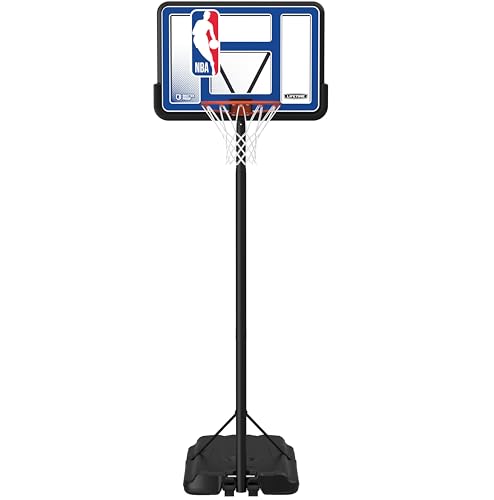
The best basketball hoop for most families is a portable system with a 54-inch acrylic or tempered-glass-style backboard and a base that holds 30 gallons or more, such as the Goalrilla Silverback NXT 54 or the Lifetime Mammoth 54. Spalding The Beast sits at the premium end for portable play, and an in-ground system like the Goalrilla FT60 is the pick if you want a permanent gym-style setup. Backboard size, base weight and rim type matter more than brand names, so use the numbers below to choose.
Our top picks



As an Amazon Associate we earn from qualifying purchases at no extra cost to you.
Quick Comparison of the Best Basketball Hoops
| Pick | Best for | Type | Backboard | Height range | Price range |
|---|---|---|---|---|---|
| Silverback NXT 54 | Best overall portable | Portable | 54 in tempered glass or similar | About 7.5 to 10 ft | Upper-mid |
| Spalding The Beast 60 | Best premium portable | Portable | 60 in glass | About 7.5 to 10 ft | Premium |
| Lifetime Mammoth 54 | Best mid-range portable | Portable | 54 in polycarbonate or similar | About 7.5 to 10 ft | Mid |
| Lifetime 44 in portable | Best value for kids and teens | Portable | 44 in | About 7.5 to 10 ft | Budget |
| Goalrilla FT60 | Best in-ground system | In-ground | 60 in glass | Adjustable | Premium |
| Spalding Hybrid | Best sand-or-water base | Portable | Acrylic | Adjustable | Mid |
Specs are drawn from maker listings and may vary by model year, so confirm the backboard size and base capacity on the current product page.
Best Overall Portable: Goalrilla Silverback NXT 54
The Silverback line is the portable range from Goalrilla, a brand better known for in-ground hoops. The NXT 54 pairs a 54-inch backboard with a large water-fill base and a frame meant to reduce wobble on dunks and hard layups. Reviewers consistently list it as the top portable for families, and it is also adjustable in height for kids and adults.
The downside is weight and price. A filled base is heavy and difficult to move without the wheel kit, and it costs more than most portable systems. If your driveway is level and you want a hoop you will not outgrow, it justifies the spend.
Best Premium Portable: Spalding The Beast 60
The Beast is Spalding’s flagship portable and features a 60-inch glass backboard and a heavy base that handles aggressive play. The glass gives a true rebound and a pro-style look, and the rim is built to flex under dunking.
It is expensive and large. Expect two adults to assemble it, and measure the space because a 60-inch board needs a deep driveway. It is overkill for younger kids, but ideal for teen players or serious pickup games.
Best Mid-Range Portable: Lifetime Mammoth 54
Lifetime sells value-focused hoops with a solid warranty, and the Mammoth is the one that gets close to premium hoop size. It offers a 54-inch backboard and a base that holds a large volume of water or sand.
The trade-off is a plastic backboard and a rim that feels less lively than premium units. For rec-level and family play, those compromises are reasonable, and the price is meaningfully lower than the Silverback.
Best Value for Kids and Teens: Lifetime 44 in Portable
A 44-inch board is small compared with a regulation 72-inch board, but it is enough for kids and casual teen play. Lifetime’s 44-inch system adjusts from about 7.5 to 10 feet, so it grows with a young player.
It will wobble more than larger units, and the smaller board punishes missed shots. Think of it as a starter hoop and plan to upgrade for serious high school practice.
Best In-Ground System: Goalrilla FT60
An in-ground hoop uses a pole set in concrete, which makes it the most stable choice. The FT60 has a 60-inch glass backboard and a heavy-duty pole, and the height adjusts so you can lower it for kids. Many reviews place it among the best home hoops for overall performance.
Installation is a project: you must dig, pour concrete and let it cure, and local rules or homeowners associations may restrict permanent hoops. It also costs far more than portable alternatives and cannot be moved.
Best Sand-or-Water Base: Spalding Hybrid
The Spalding Hybrid uses a base that can be filled with water or sand, and the sand option adds weight in cold climates where water can freeze. It pairs a 54-inch acrylic backboard with an adjustable pole.
Acrylic boards can flex more than glass, so rebounds feel softer. It is a practical middle option for families who want an adjustable hoop without the price of a premium glass-board system.
Backboard Size, Material and Base Capacity
| Feature | Entry level | Mid-range | Premium |
|---|---|---|---|
| Backboard width | 44 to 48 in | 50 to 54 in | 60 to 72 in |
| Backboard material | Polyethylene | Acrylic or polycarbonate | Tempered glass |
| Base capacity | 25 to 30 gallons | 30 to 40 gallons | 40 to 55 gallons |
| Rim | Fixed | Breakaway | Compression or breakaway |
Base capacity matters because a full 30-gallon water base weighs roughly 250 pounds before the sand option adds more. That mass is what keeps a portable hoop from tipping during play.
How to Choose a Home Basketball Hoop
Decide portable or in-ground. Portable hoops move and adjust easily, but they sit on a heavy base and may drift on slopes. In-ground hoops are stronger but need installation.
Match backboard to players. For ages 5 to 10, 44 inches is fine. Teens and adults should have 54 inches at minimum, and 60 inches or more for competitive practice.
Check the rim. Breakaway rims flex during dunks and protect the board. Fixed rims are fine for younger players.
Check the base. Aim for at least 30 gallons of capacity. Fill it fully and keep it away from traffic.
Mind the space. Allow at least 15 feet behind the baseline and clear overhead for jump shots.
Mistakes to Avoid
- Leaving a partially filled base, which makes the hoop easier to tip.
- Putting a portable hoop on a slope without chocking the base.
- Skipping the assembly torque check; recheck bolts after the first month.
- Ignoring winter. Water bases can freeze and crack; use sand or drain before deep freeze.
- Not checking local ordinances or HOA rules before ordering a permanent unit.
Decision Matrix: Which Hoop for Which Household
| Your situation | Choose | Reason |
|---|---|---|
| Kids under 10, small driveway | Lifetime 44 in portable | Low height settings, compact footprint |
| Mixed ages, one hoop for the family | Lifetime Mammoth 54 | Good size and value |
| Teen players who dunk | Silverback NXT 54 or Beast 60 | Heavy base and sturdy frame |
| Cold climate, hoop stays out all winter | Spalding Hybrid with sand | Sand avoids freeze damage |
| Permanent home court | Goalrilla FT60 | In-ground stability |
Ownership Realities: Wear, Weather and Cost
Nets are the first part to fail and are usually cheap to replace. Rims can sag after heavy dunking, so choose a breakaway rim if you expect that play. Plastic backboards yellow in strong sun over several years, while tempered glass keeps its clarity but can crack if hit by something heavy. Rust on poles is mostly cosmetic but should be touched up to protect the finish.
As a worked example, suppose a portable hoop lasts eight years of play, with a new net every two years. That is four nets plus the hoop across roughly 2,900 days, so the daily cost is small even for a premium unit. A cheaper hoop that tips or breaks within two years can cost more in the long run.
Finally, set aside a few minutes each season to check bolts, base plugs and the pole sleeve. Drain and refill water bases in spring if you notice algae or odor, and keep a spare plug on hand.
Frequently Asked Questions
What size backboard do I need for a home hoop?
For kids, a 44-inch board is enough. Teens and adults should pick 54 inches or larger for better rebounds and fewer awkward misses.
Are glass backboards worth it?
Glass offers truer rebounds and durability, but it is heavier and costs more. For casual family play, acrylic or polycarbonate is usually sufficient.
How do I keep a portable hoop from tipping?
Fill the base fully, place it on level pavement, and consider a base strap or sandbags if the court is windy or sloped.
Water or sand in the base?
Water is easier to fill and drain. Sand is heavier and works in cold climates, but is harder to remove.
What height should a hoop be?
Regulation is 10 feet. Younger kids use 7.5 to 9 feet, and many portable hoops adjust in small steps.



Write Your Review
No reviews yet. Be the first to share your experience!