

Key takeaways
- Wash after each use and dry fully to avoid mildew.
- Replace gaskets and valves that crack or stain.
- Use bottle brushes and baking soda for odors.
- Avoid putting hot liquids in non-insulated plastic bottles.
- Stainless steel dents can affect insulation, so avoid drops on hard surfaces.
The best sports water bottle depends on how you train: the CamelBak Podium Chill is a strong all-round squeeze bottle for cycling and runs, the Owala FreeSip suits gym and court users who want a straw or sip option, and the Hydro Flask Wide Mouth with a sport cap keeps drinks cold for long practices. For team and field use, the Gatorade Gx bottle works with pods and fits dugout and sideline routines, while Nalgene is the simple, durable choice for hikes and training camps. Choose by how you drink, how long you need cold liquid and how easy the bottle is to clean.
Our top picks


As an Amazon Associate we earn from qualifying purchases at no extra cost to you.
Quick Comparison of the Best Sports Water Bottles
| Pick | Best for | Material | Typical sizes (oz) | Insulated | Price range |
|---|---|---|---|---|---|
| CamelBak Podium Chill | Best for cycling and running | Plastic, double wall | 21, 24 | Yes | Mid |
| Owala FreeSip | Best all-round gym bottle | Stainless steel | 24, 32, 40 | Yes | Mid |
| Hydro Flask Wide Mouth | Best for cold all day | Stainless steel | 20, 32, 40 | Yes | Upper-mid |
| Nalgene Sustain | Best budget and durable | Recycled-content plastic | 16, 32 | No | Budget |
| YETI Rambler | Best for rough use | Stainless steel | 18, 26, 36 | Yes | Premium |
| Gatorade Gx Bottle | Best for team sideline use | Plastic squeeze | 30 | No | Budget |
Sizes are typical ranges listed by makers; confirm the current options on each brand’s site.
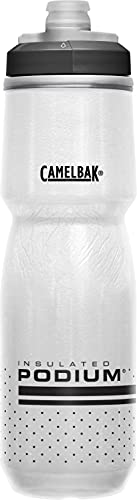
Best for Cycling and Running: CamelBak Podium Chill
The Podium Chill has a double-wall design that slows heat transfer and a self-sealing valve that opens when you squeeze. It fits most bike cages and is light enough to carry on a run.
The plastic body is less durable than steel against dents, and it can retain flavors if not cleaned thoroughly. Wash the valve often and let it air dry.
Best All-Round Gym Bottle: Owala FreeSip
The FreeSip has a swivel spout that lets you sip through a built-in straw or tilt to gulp. A stainless steel body and insulation keep drinks cold, and a locking lid reduces leaks in a gym bag.
The lid has several parts, so cleaning takes a few extra minutes. It is wider than some cup holders, so check the base diameter.
Best for Cold All Day: Hydro Flask Wide Mouth
Hydro Flask uses double-wall vacuum insulation and a wide mouth for ice cubes. With the flex sip or sport cap, it works for long practices, tournaments and summer camps.
Stainless steel is heavier than plastic, and dents are common if dropped. It costs more, but long lifespan can offset the price.
Best Budget and Durable: Nalgene Sustain
Nalgene’s bottles are simple and tough, with a wide mouth that accepts powder mixes and ice. The Sustain line uses recycled-content plastic. It is dishwasher friendly and has no insulation, which keeps it light.
Drinks warm quickly, and the wide mouth can cause spills while moving. Add a sport cap if you want easier sipping.
Best for Rough Use: YETI Rambler
The Rambler is a thick stainless bottle that handles bumps and heat. It’s a favorite among coaches and outdoor athletes, and the straw cap and chug cap options add flexibility.
It is premium priced and heavier than most. If you lose bottles often, a cheaper option makes more sense.
Best for Team Sideline Use: Gatorade Gx Bottle
The Gx bottle is a squeeze bottle designed for athletes, with a large mouth and hands-free design for quick access. It is meant to pair with Gatorade Gx pods, though you can use it for plain water.
It lacks insulation and may feel limiting for long outings. For team sports, it’s easy to distribute and replace.
Water Needs by Activity
| Activity | Typical duration | Bottle size | Insulation need |
|---|---|---|---|
| Gym workout | 45 to 75 minutes | 24 to 32 oz | Optional |
| Road run | 30 to 90 minutes | 16 to 21 oz | Helpful in heat |
| Cycling | 1 to 3 hours | 21 to 24 oz, two bottles | Helpful |
| Team practice | 2 hours | 32 to 40 oz | Recommended |
| Tournament day | 6 to 10 hours | 40 oz plus refill | Yes |
These are general guidelines; hydration needs vary with climate, sweat rate and body size.
How to Choose a Sports Water Bottle
Sip style. Squeeze valves work during motion. Straw lids are easy for gym use. Wide-mouth lids are best for ice and mixes.
Insulation. Choose insulated steel for hot weather or long events. Choose plastic for lightweight needs.
Capacity. Match capacity to session length and plan a refill.
Cleaning. Pick a bottle with an easy-to-clean lid. Check dishwasher safety.
Fit. Make sure it fits your bike cage, car cup holder or bag pocket.
Care and Durability
- Wash after each use and dry fully to avoid mildew.
- Replace gaskets and valves that crack or stain.
- Use bottle brushes and baking soda for odors.
- Avoid putting hot liquids in non-insulated plastic bottles.
- Stainless steel dents can affect insulation, so avoid drops on hard surfaces.
Decision Matrix: Which Bottle for Which Athlete
| Your situation | Choose | Reason |
|---|---|---|
| Cyclist with bottle cages | CamelBak Podium Chill | Squeeze valve, fits cages |
| Gym-goer who wants a straw | Owala FreeSip | Straw or sip option with a locking lid |
| Youth soccer or all-day tournaments | Hydro Flask Wide Mouth | Ice stays frozen longer |
| Rough field or work use | YETI Rambler | Thick walls tolerate drops |
| Team sidelines | Gatorade Gx | Fast squeeze access |
| Budget and durability | Nalgene Sustain | Simple, rugged and cheap |
Worked Example: How Much Bottle Do You Need?
Suppose you train for two hours and want to sip roughly 6 to 8 ounces every 20 minutes. That is about 36 to 48 ounces over the session. A 32-ounce bottle plus one refill covers it, while a single 40-ounce bottle works with fewer breaks. For cycling, two 21 to 24-ounce bottles in cages give the same capacity and balance the load. Add more if the temperature is high or you sweat heavily. These numbers are a planning starting point, not medical advice.
Cleaning and Flavor Tips
Hot water, a drop of dish soap and a bottle brush handle most routine cleanings. For stubborn odors, soak the bottle with a mix of baking soda and warm water for a few hours. Remove silicone gaskets and straws weekly, rinse them separately and let every piece dry fully before reassembling. If a sports drink powder leaves residue, rinse promptly, because dried sugars grow mold quickly in warm gym bags. Keep a spare lid or straw so a damaged part does not retire the whole bottle.
Frequently Asked Questions
How much water should an athlete drink?
Needs vary, but many guidelines suggest sipping regularly during exercise and drinking to thirst. For long or hot sessions, consider electrolytes and ask a professional.
Are insulated bottles worth it?
For long or hot sessions, yes, because cold water encourages drinking. For short gym sessions, a plain bottle is fine.
Can I put sports drinks in my bottle?
Yes, but clean the bottle quickly to prevent sticky residue and mold.
Plastic or stainless steel?
Plastic is lighter and cheaper. Stainless steel holds temperature better and lasts longer but weighs more.
How often should I clean my bottle?
After each use for the lid and straw, and a deeper wash weekly.




Write Your Review
No reviews yet. Be the first to share your experience!